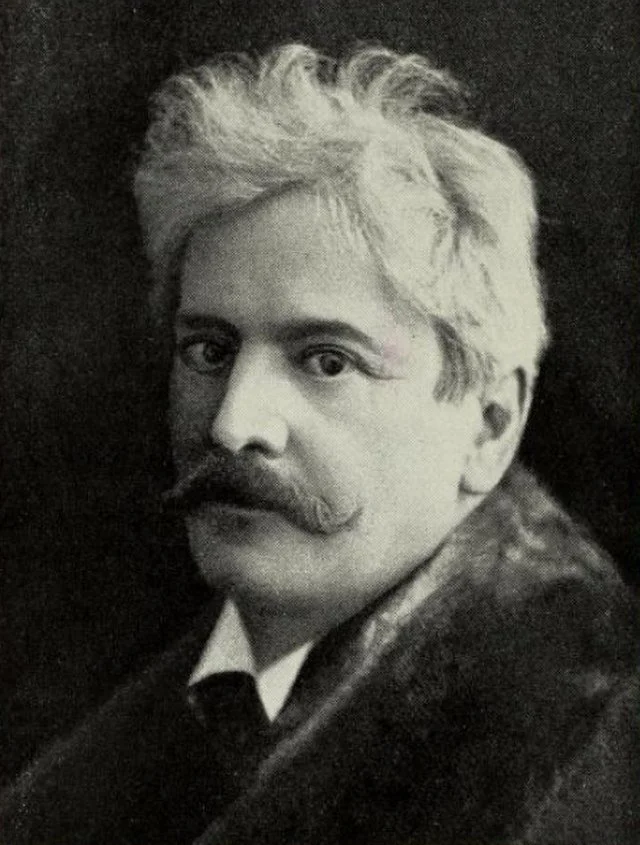
DAVID POPPER
David Popper was not only a great virtuoso, but one of the creators of modern cello playing.
David Popper (1843–1913) was one of the most influential figures in the history of the cello. As a performer, teacher, and composer, he helped define the technical and expressive possibilities of the instrument. His legacy continues to shape cello playing at the highest level to this day.
Popper and Budapest
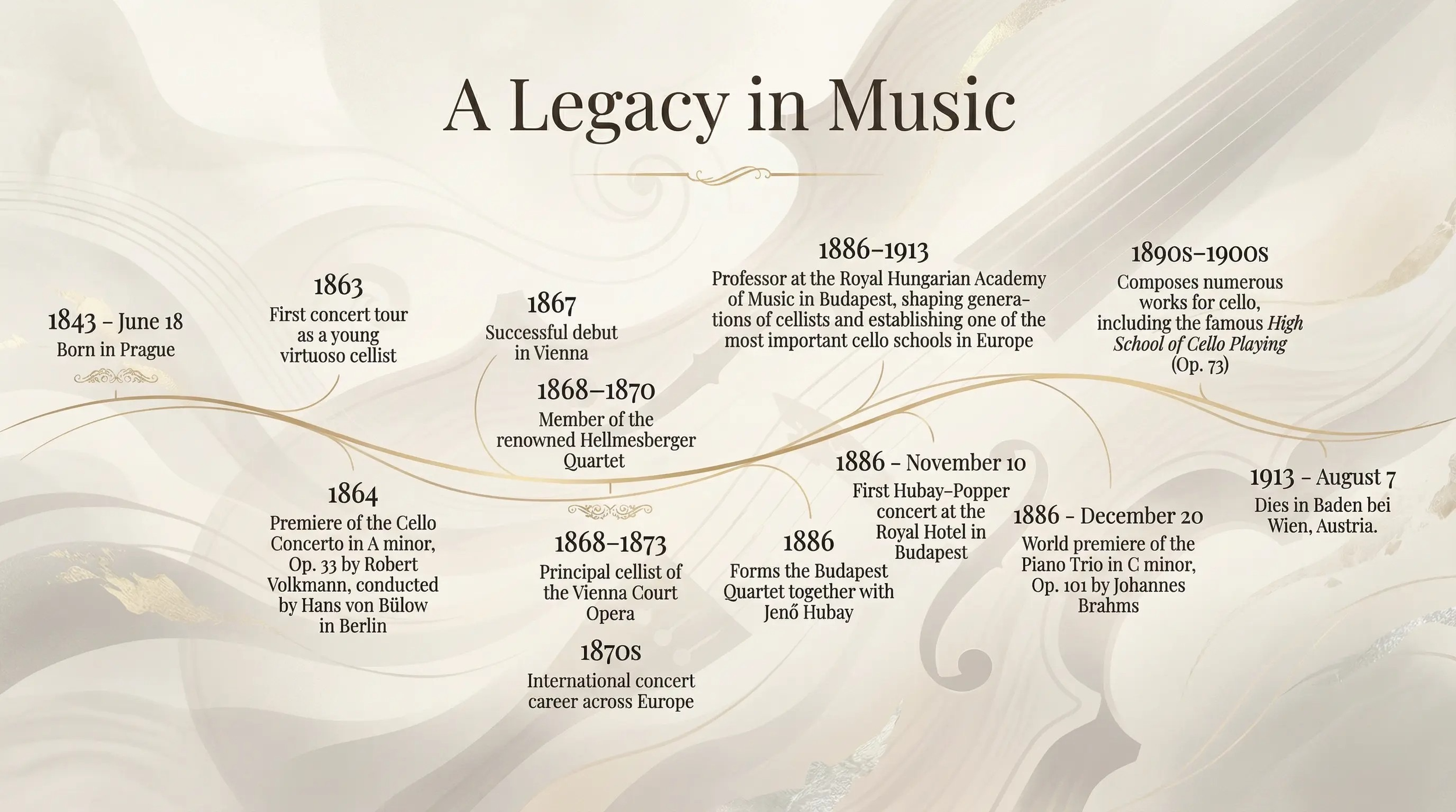
In the mid-1880s, Franz Liszt sought to appoint the finest possible cello professor to the Royal Hungarian Academy of Music in Budapest. His choice fell on the Prague-born virtuoso David Popper (1843–1913).
Already renowned as principal cellist of the Vienna Court Opera and a member of the Hellmesberger Quartet, Popper brought both artistic excellence and pedagogical vision to his new role. Although he initially taught in German, he and his family gradually became deeply integrated into Hungarian cultural life.
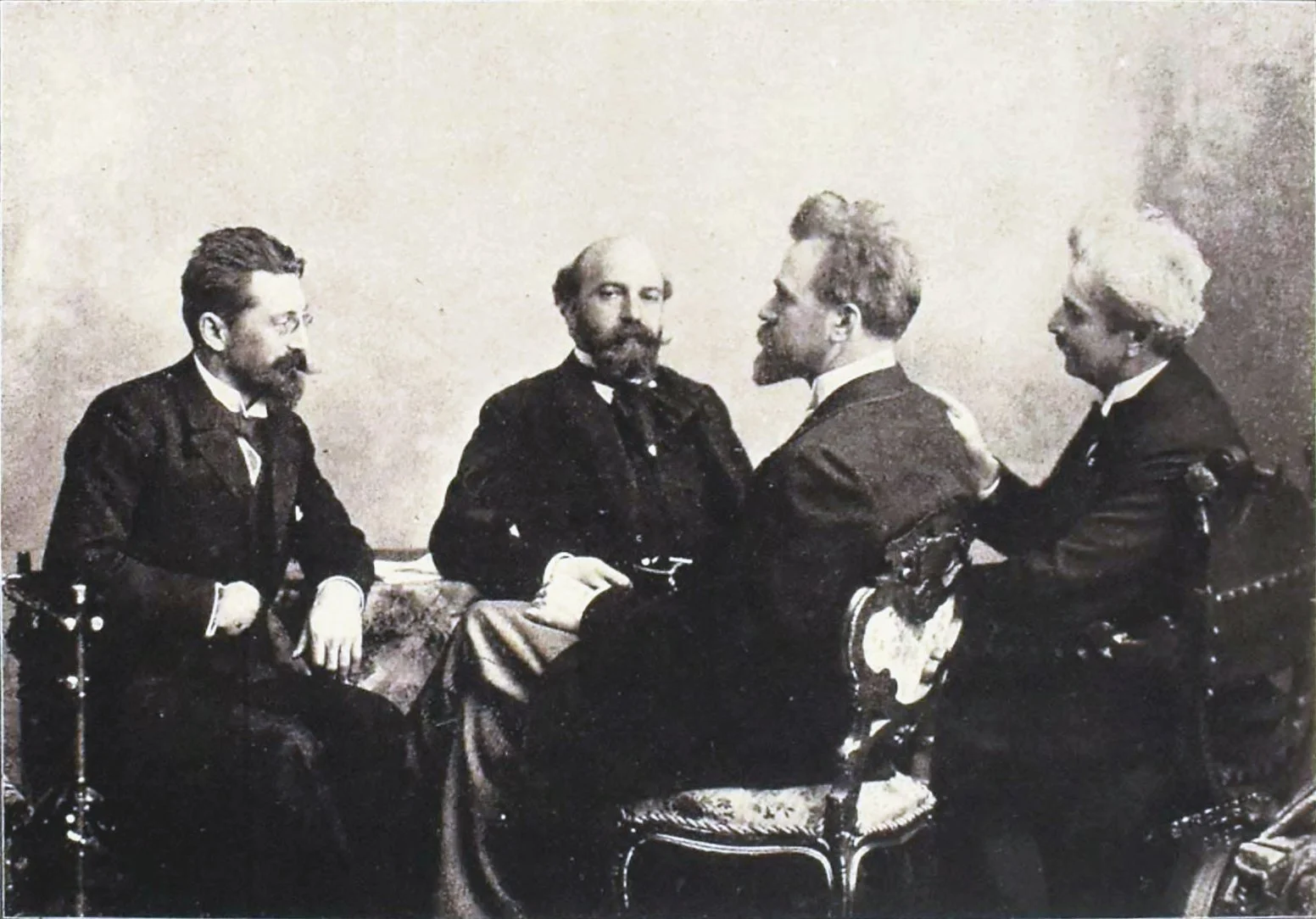
Alongside his cello class, he taught chamber music together with Jenő Hubay, with whom he also formed a celebrated quartet admired by Johannes Brahms.
As the composer and director of the Academy, Ödön Mihalovich wrote:
“The work and settlement of Hubay and David Popper in Budapest became inseparably linked… David Popper greatly enriched the musical life of the capital, and we may rejoice that such a first-rate artist found his second homeland here.”
In 1907, Popper performed at the inaugural concert of the Academy’s new building on Liszt Ferenc Square and conducted the Academic Orchestra together with Hubay.
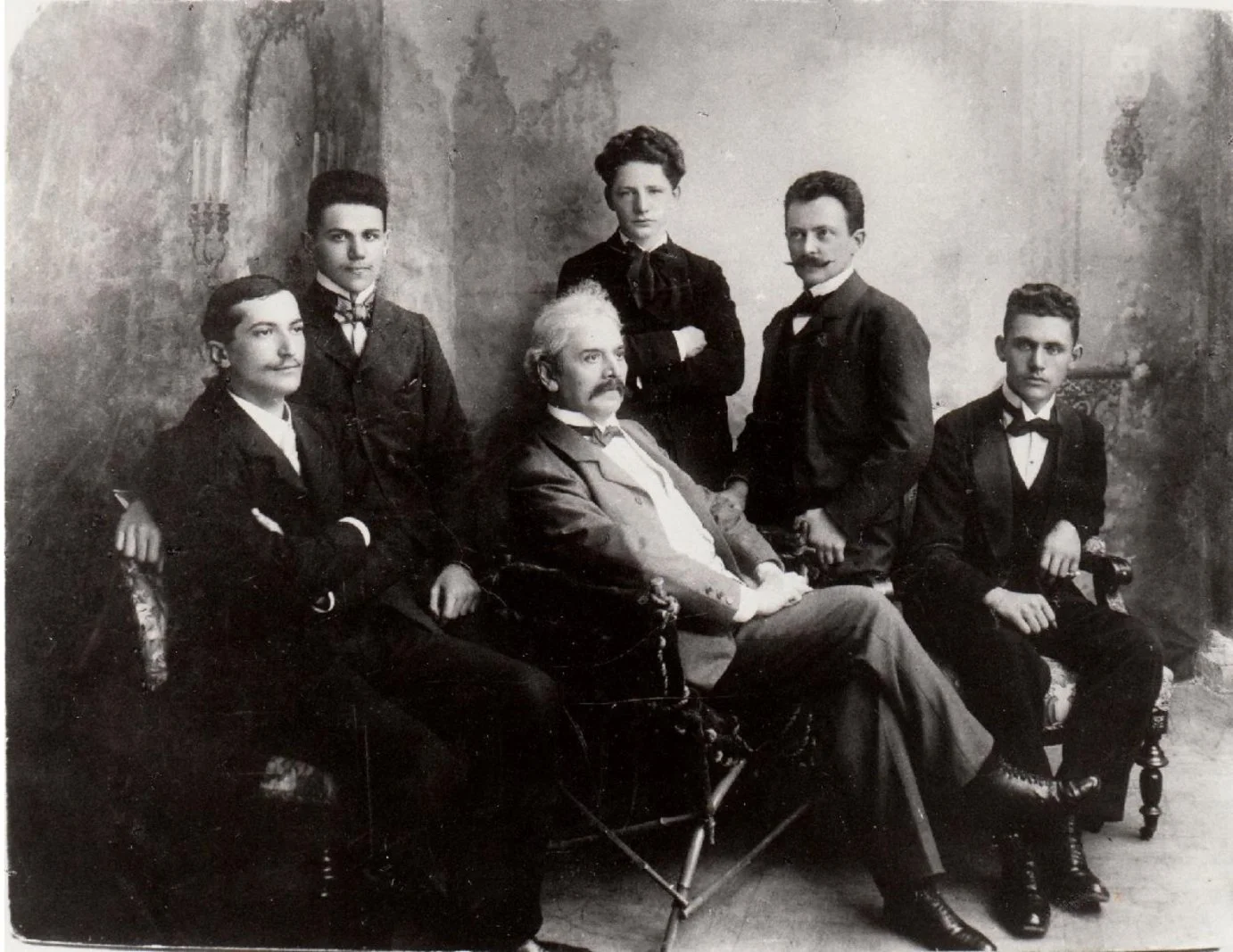
Among his notable students were Arnold Földesy, Jenő Kerpely, Mici Lukács, Ludwig Lebell, and Adolf Schiffer — later the teacher of János Starker.
The Legacy of David Popper
David Popper shaped the history of cello playing in all three roles.
Popper the Performer
David Popper was one of the most celebrated virtuoso cellists of the nineteenth century.
Born in Prague in 1843, he gained international recognition for his brilliant technique, expressive tone, and charismatic stage presence. As principal cellist of the Vienna Court Opera, he performed extensively across Europe as both a soloist and chamber musician.
His artistry played a key role in establishing the cello as a true virtuoso instrument on the concert stage.
Popper the Teacher
In the 1880s, at the invitation of Franz Liszt, David Popper joined the Royal Hungarian Academy of Music in Budapest. He was the first professor of cello in the history of the Liszt Academy.
There he became one of the most influential cello pedagogues of his time, shaping generations of musicians and contributing fundamentally to the development of modern cello playing.
Alongside his cello class, he taught chamber music together with the renowned violinist Jenő Hubay, playing a central role in the musical life of Budapest.
Popper the Composer
As a composer, David Popper made a lasting contribution to the cello repertoire.
He wrote nearly seventy-five works for the instrument, including concert pieces, character pieces, salon works, and pedagogical studies. His most celebrated pedagogical work, High School of Cello Playing (Op. 73), remains one of the most important collections of études for advanced cellists and is studied worldwide.
Through these works, his musical ideas and technical insights continue to shape generations of cellists.
The artistic legacy of David Popper extends far beyond his lifetime. As a virtuoso performer, influential teacher, and prolific composer, he played a central role in shaping the development of modern cello playing.
His works remain a fundamental part of the cello repertoire, while his pedagogical approach continues to influence the training of young cellists in the establishments of higher music education around the world.
Through his music, teaching, and artistic vision, Popper helped define the expressive and technical possibilities of the cello — a legacy that continues to inspire generations of musicians today.